top of page

Blogs and Articles
Jan 19, 2026
Anxiety Symptoms vs Stress: How to Tell If What You’re Feeling Is Anxiety (And When to Get Help)
Understanding the difference between anxiety and stress can help you recognize when your nervous system needs support and when professional care may be helpful. when worry becomes constant, your body stays in a state of alert, and your thoughts feel difficult to slow down or control, what you are experiencing may be anxiety rather than everyday stress.

Jan 16, 2026
Depression Symptoms: 10 Signs You Should Never Ignore (And When to Get Professional Help)
This guide explains the most important symptoms of depression, a common myth that keeps people from seeking help, how past adverse experiences can create barriers to care, how depression affects daily functioning, and when it is time to reach out for professional support.

Jan 9, 2026
Attachment Styles Explained: How Your Childhood Shapes Your Relationships
Attachment styles are emotional and nervous-system patterns formed in early childhood based on how safe, seen, and supported you felt by caregivers. These patterns shape how you experience closeness, trust, conflict, boundaries, and intimacy in adult relationships, influencing whether you feel secure, anxious, avoidant, or disorganized in connection.

Jan 7, 2026
Burnout vs. Depression: How to Know the Difference (Symptoms, Causes, and Best Treatment)
Burnout is a stress-related state of emotional, mental, and physical exhaustion usually tied to work or caregiving, while depression is a clinical mood disorder that affects all areas of life and persists even when stress decreases. Burnout may improve with rest and boundaries, but depression typically requires professional mental health treatment.

Jan 5, 2026
Seasonal Affective Disorder (SAD): Symptoms, Causes, and Psychotherapy Treatment for Winter Depression
Seasonal Affective Disorder (SAD) is a form of recurrent major depression with a seasonal pattern, most commonly beginning in late fall or early winter and remitting in spring. It is formally recognized in the DSM-5 as a specifier of Major Depressive Disorder and is strongly associated with reduced sunlight exposure, circadian rhythm disruption, and neurobiological changes involving serotonin, dopamine, and melatonin regulation.

Dec 17, 2025
Eating Disorders During the Holidays: Triggers, Risks, and Support
The holiday season is often centered around food, gatherings, and social expectations. For individuals living with eating disorders or disordered eating, this time of year can significantly intensify symptoms and emotional distress. Increased focus on meals, body image, and family dynamics—combined with disrupted routines—can make the holidays especially challenging.
If eating disorder symptoms worsen during the holidays, it does not mean you are failing or losing progress. The season creates environmental and emotional conditions that make symptoms harder to manage for many people.

Dec 15, 2025
ADHD and the Holiday Season: Why Symptoms Often Feel Worse and How to Manage Them
For many people, the holiday season is busy, overstimulating, and emotionally demanding. For individuals with ADHD, this time of year often leads to a noticeable increase in symptoms such as distractibility, emotional overwhelm, time blindness, impulsivity, and exhaustion. Disrupted routines, heightened expectations, and constant transitions place extra strain on brain systems already working harder to regulate attention and emotion.
If your ADHD feels harder to manage during the holidays, this is not a personal failure. It reflects how the ADHD brain responds to stress, stimulation, and reduced structure.

Dec 13, 2025
Why the Holiday Season Is Especially Hard for Parents
The holiday season is often portrayed as joyful, magical, and family-centered. For many parents, however, it is one of the most emotionally and mentally exhausting times of the year. Increased responsibilities, heightened expectations, financial pressure, disrupted routines, and emotional labor can make parenting during the holidays feel overwhelming.
If you are a parent who feels more stressed, irritable, exhausted, or emotionally drained during the holiday season, you are not alone. Holiday stress for parents is extremely common—and it has real mental health implications.

Dec 5, 2025
How the Holiday Season Can Affect Bipolar Disorder Symptoms
The holiday season can be emotionally demanding for many people, but for individuals living with bipolar disorder, this time of year may bring noticeable changes in mood stability. Disruptions in routine, sleep changes, increased stress, and social pressure can all contribute to a temporary worsening of symptoms during the holidays.
Understanding how the holiday season can affect bipolar disorder is an important step toward prevention, self-compassion, and effective symptom management.
Dec 4, 2025
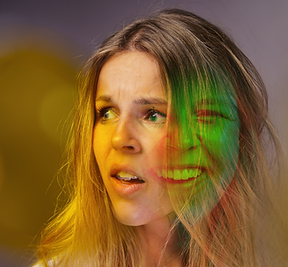
Why Impulsive Behaviors Get Worse During the Holiday Season: Gambling, Alcohol, Shopping, and Sexual Impulsivity
The holiday season is a time when many people notice a significant increase in impulsive behaviors, including gambling, excessive alcohol use, impulsive shopping, and risky or unplanned sexual behavior. While these behaviors may appear unrelated, they are often driven by the same underlying factors: heightened stress, emotional overload, disrupted routines, and reduced impulse control.
Impulsive behavior during the holidays is not a lack of discipline or willpower. It is closely connected to mental health, emotional regulation, and nervous system overwhelm, all of which tend to intensify during this time of year.

Dec 1, 2025
Why the Holiday Season Intensifies Couples and Family Problems, and What to Do About It
The holiday season is one of the most common times when couples problems and family conflict intensify. Many people experience increased arguments, emotional distance, resentment, and unresolved family tension during the holidays. While this time of year is often associated with togetherness and celebration, it can also amplify stress, anxiety, and long-standing relationship patterns.
Understanding why holiday stress affects relationships can help couples and families reduce conflict and navigate this emotionally demanding season more intentionally.

Nov 29, 2025
Holiday Season Emotional Struggles in Oregon: Depression, Loneliness, Anxiety, and Past Trauma
In Oregon, the holiday season often coincides with darker days, colder weather, and a slower pace of life. While this time of year is commonly associated with connection and celebration, many people across the state experience an increase in depression, anxiety, loneliness, and trauma-related stress during the holidays. For some, simply being around people can feel emotionally overwhelming rather than comforting.

Oct 25, 2025
ADHD in Adults: Symptoms You Might Be Overlooking and What to Do Next
Instead of the stereotypical image of a hyperactive child, adult ADHD often shows up as difficulty staying focused, managing time, organizing tasks, and regulating emotions. Recognizing these signs is the first step toward getting help and improving your quality of life.


Eating Disorders in Adults: Causes, Warning Signs, Treatment, and the Path to Recovery
When most people hear the term eating disorder, they imagine teenagers struggling with body image or college students caught in cycles of dieting and restriction. But the reality is that eating disorders affect millions of adults, often silently and invisibly.



Sep 11, 2025
Parenting Teenagers: How to Support Mental Health, Build Trust, and Help Teens with Anxiety, Depression, and Gender Dysphoria
One moment they want to talk about their world, the next they retreat into silence. These changes are normal, but they can leave parents feeling confused, disconnected, and unsure how to help.


Sep 4, 2025
Dissociation in PTSD: Understanding When the Mind Steps Away to Survive
When we think about post-traumatic stress disorder (PTSD), many people immediately picture nightmares, flashbacks, or hypervigilance. These are indeed common and painful aspects of trauma, but there’s another deeply important piece of the puzzle that often gets overlooked: dissociation.


Aug 26, 2025
The Sorrow of Summer’s End and Its Impact on Mental Health
The season that brings light, warmth, and freedom begins to close, giving way to shorter days, cooler weather, and the return of routine. This transition can stir emotions that resemble grief—a sorrow for time that feels lost and for the ease of days we are not ready to leave behind.

Jul 25, 2025
Back-to-School Anxiety: Helping Children and Youth Cope With Massive Change
The start of a new school year is often filled with excitement—fresh supplies, new teachers, and the chance to see friends again. Yet for many children and teens, this transition also brings anxiety. The shift from the freedom of summer to the structure of school can feel overwhelming, sparking concerns about academics, social dynamics, or simply facing the unknown.


Jun 13, 2025
Understanding Anxiety: When Worry Becomes More Than Just Stress
We all experience anxiety from time to time—before a big decision, during uncertainty, or when life feels overwhelming. But for many, anxiety isn't just an occasional visitor. It's a constant presence, influencing thoughts, emotions, and even physical well-being.

Dec 27, 2024
When Your Mind Works Against You: How Unconscious Cognitive Building Blocks Shape Decisions
Have you ever acted against what you know is best for you? Perhaps you believe you need to prioritize yourself, yet your actions consistently prioritize others. This disconnect between intention and behavior can be baffling, but the answer often lies in the subtle, unconscious thoughts and beliefs that drive our decisions.

Jan 6, 2025
12 Journaling Prompts to Navigate Depression and Reconnect with Yourself
Just a few minutes a day with a journal and pen can help you build a healthy habit for emotional well-being.
Not sure where to begin? These prompts are designed to inspire you and provide a starting point for your journaling journey


Dec 12, 2024
Understanding Communication Differences Between Neurodivergent and Neurotypical Individuals
Communication is essential to human connection, but it can look very different depending on how someone’s brain processes information. For individuals who are neurodivergent, including those with ADHD, communication styles may diverge from what is considered typical.

Dec 9, 2024
How Depression Causes Numbness and Anxiety Heightens Sensitivity
People experiencing depression often describe feeling “empty” or disconnected from themselves and the world around them. This emotional detachment isn’t a choice; it’s the brain’s way of protecting itself when overwhelmed by prolonged stress or emotional pain.


Nov 1, 2024
Living with Anxiety: Understanding It and Finding Relief
Whether it shows up as constant worry, physical tension, or overwhelming fear, anxiety can affect nearly every part of life. But the truth is, you're not alone—and there are ways to manage anxiety and regain a sense of calm and control.


bottom of page